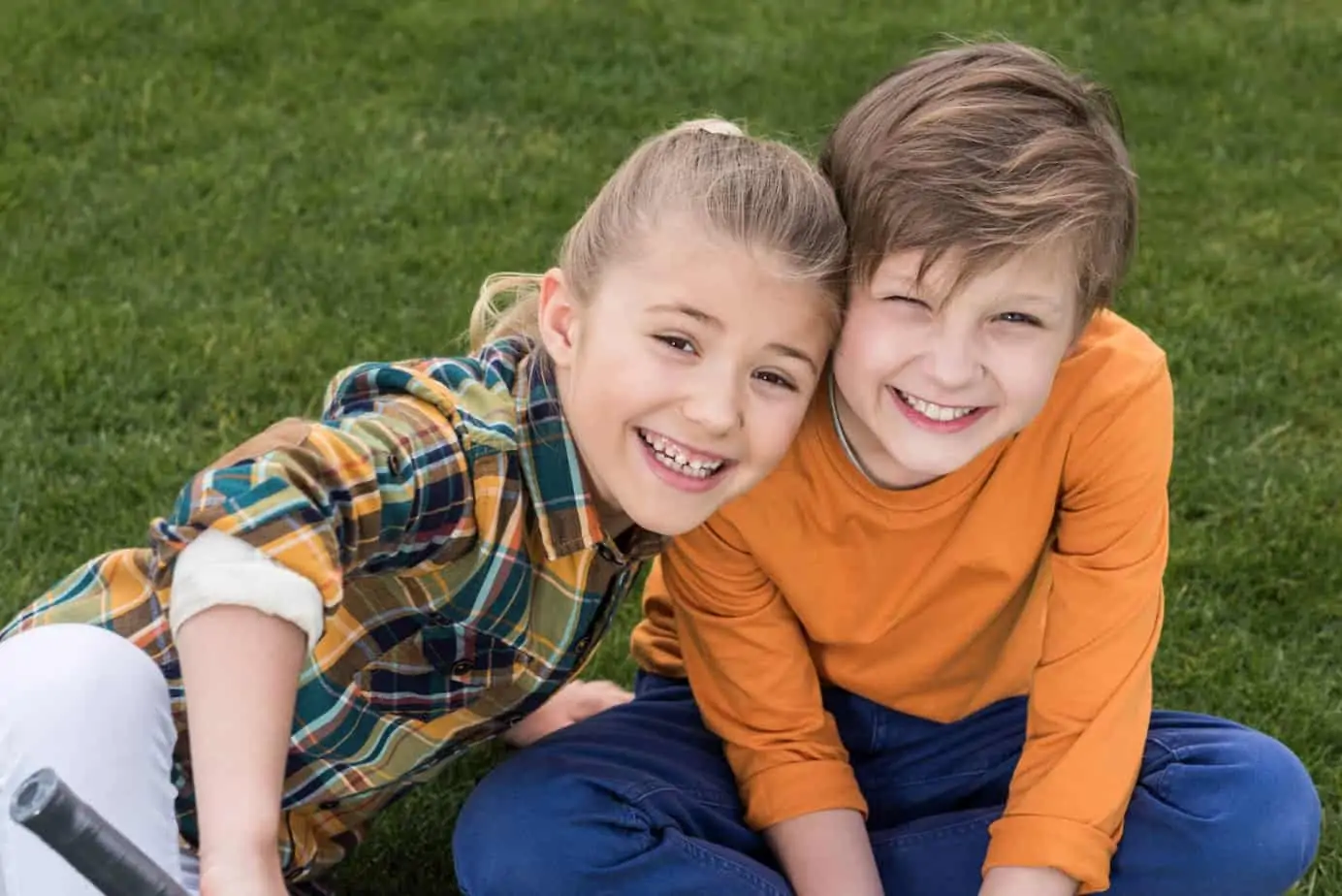
Last Saturday, I watched my daughter walk off the soccer field with her head down, dragging her cleats through the grass like they weighed 50 pounds each. She had missed the PK (penalty kick) in a tie game. The final shot had been hers, and it didn’t go in. The other team cheered, parents clapped, and there I was, fumbling for the right words as she climbed into the backseat.
The silence in that car could’ve won an Olympic medal. And then the sobbing began. She was crying so hard, she couldn’t catch a full breath. I reached out to touch her shoulder and got shrugged off. Do I say something? Do I give her space? Do I crank up Taylor Swift and pretend it didn’t happen?
Silence on the ride home can feel louder than the cheers from the game itself. If you’ve been there, you know the ache of wanting to comfort your child but not knowing how to get it right.
The truth is, encouraging kids in competitive sports isn’t about one magical phrase that erases the loss. It’s about the habits you build before, during, and after the game that help them handle both wins and defeats with resilience.
Before the Game: Setting the Tone
Encouragement starts long before the scoreboard lights up. What you say to your child on the way to the field matters. Instead of hyping them up with “Go win this one for us,” focus on their effort: “I can’t wait to watch how hard you play today.”
Your body language sets the tone, too. If you’re pacing the sidelines like a coach waiting for the championship whistle, your child feels that pressure. But if you’re calm, smiling, and genuinely enjoying the moment, they know you’re there as their parent—not their performance critic.
When the Loss Happens: Holding Space
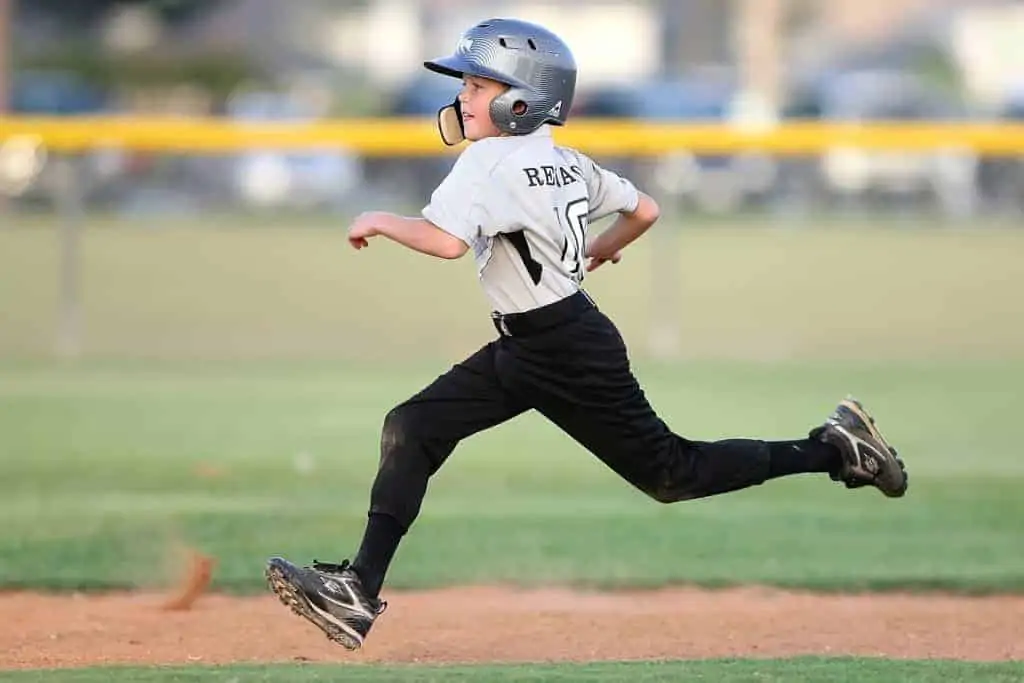
After the game, emotions can feel overwhelming. For your child, it might feel like the world just ended. This is the moment to step back from advice and step into presence. Sometimes a quiet hug or simply sitting beside them says more than a hundred words of encouragement.
It helps to validate what they’re feeling instead of trying to spin it into a “teachable moment” too quickly. Saying something like, “That was tough. I can see you’re disappointed,” lets your child know their emotions are normal and safe to express.
The hardest part for parents is resisting the urge to start coaching. In that raw moment, fixing is the opposite of helping.
The Car Ride Home: The Tricky Middle
The car ride home after a sports loss can either build your child’s resilience—or chip away at their love for the game.
The best approach is to let them lead. If they want silence, let it be quiet. If they want to vent, listen without replaying every mistake. And if you’re not sure? A simple, “Do you want to talk about it now, later, or not at all?” gives them control in a situation where they just felt powerless.
Many families build rituals into this ride: stopping for ice cream, cranking up music, or letting the child pick dinner. When these rituals stay the same whether they win or lose, it reassures your child that your love and attention don’t depend on the scoreboard.
The Next Day: Reflection After Emotions Cool
By the next morning, the sting of the game usually fades enough for reflection. This is when kids are more open to learning. Instead of critiquing, ask open-ended questions like, “What part of the game did you feel best about?” or “Is there something you’d like to try differently in practice?”
Revisiting highlights together helps shift their focus to effort and progress: “I noticed you hustled hard in the second half.” Encouraging gratitude works, too: “What’s one good thing about yesterday?”
Sharing your own stories of failure can also soften the blow. When kids hear that you once struck out three times in a row or froze during a school play, they realize mistakes are part of being human—not just their own burden to carry.
Common Mistakes Parents Make
Most missteps come from love, but they can still do damage. Reliving the game play-by-play, blaming referees or teammates, or giving hollow praise like, “You were amazing out there!” teaches kids the wrong lessons.
Your child doesn’t need you to rewrite the game—they need to know your pride isn’t tied to their performance. A simple, “I love watching you play,” works after a tough loss or a game-winning goal. It communicates unconditional support.
What to Say Instead
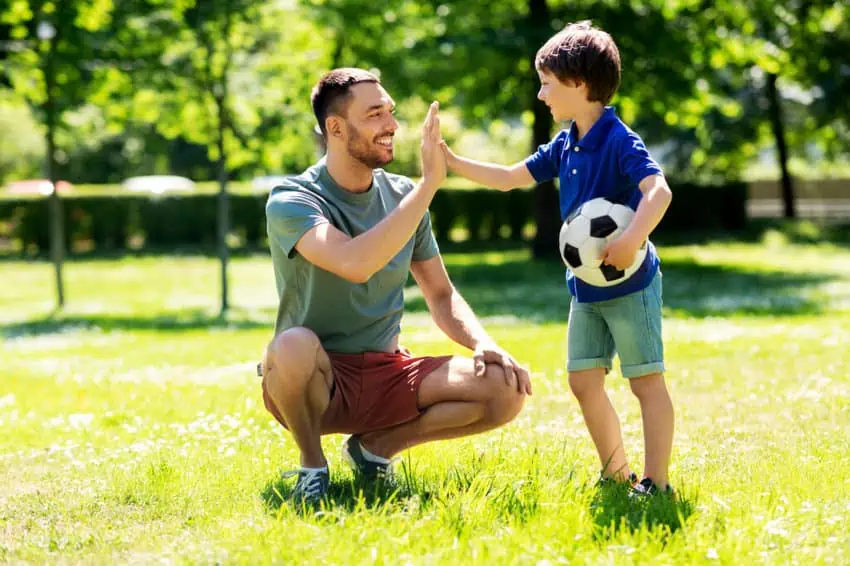
Sometimes parents freeze in the moment, unsure of the right words. Here are phrases that work when emotions are high:
-
“I loved watching you out there today.”
-
“I know you’re disappointed—that’s a normal feeling.”
-
“Do you want to talk about it now, later, or not at all?”
-
“What do you want for dinner?” (because snacks really are the universal peace offering).
-
“Losing doesn’t define you. It teaches you.”
Raising Resilient Kids Through Sports
At the end of the day, youth sports aren’t just about competition. They’re about building character, practicing resilience, and creating lifelong memories. The most important lesson you can leave with your child isn’t about winning or losing—it’s that your love and pride are never conditional.
They may forget the score of the game, but they’ll never forget how you made them feel on the ride home.
FAQs About Encouraging Kids in Sports and Handling Losses
What should I say to my child after they lose a game?
- Start by validating their feelings: “I know that was tough.” Avoid rushing into advice. Once emotions cool, shift the focus to effort and what they learned.
How do I keep my child motivated in sports after a tough loss?
- Remind them that setbacks are part of the game. Encourage small improvements, celebrate effort, and keep routines consistent whether they win or lose.
Why is the car ride home so important after a game?
- Kids are often most sensitive in the car ride home. How you respond in that moment can shape whether they see sports as joyful or stressful. Silence, listening, or a light ritual (like stopping for ice cream) often works better than critiquing.
What should I avoid saying after a loss?
- Avoid harsh critiques, blaming coaches or teammates, or hollow praise. Don’t tie your pride to the outcome. Instead, show love and unconditional support.
How can sports help kids build resilience?
- Sports teach kids that failure isn’t final—it’s feedback. When parents frame losses as opportunities to learn, kids develop confidence, grit, and emotional strength that extend beyond the field.
Want even more?
Shop All Parenting Resources
Shop all of our parenting resources from self-regulation tools and managing big emotions to building self esteem and confidence. There are resources for all seasons of life!