

You’ve probably seen frightening posts about “dry drowning” and “secondary drowning.” Here’s what’s actually true, the symptoms that genuinely matter after a water incident, and exactly when to seek medical care — calm, accurate, and from one parent to another.

Dry Drowning and Secondary Drowning: What’s Real, and What to Watch For
If you’ve ever scrolled past a viral post warning that your child could drown in their sleep hours after a totally normal day at the pool, and felt your stomach drop — I’ve been there too. When my kids were little, those stories terrified me.
So I want to give you something better than fear: the actual, current facts. Because what the medical community understands about this today is calmer, clearer, and a lot more reassuring than what those scary posts suggest — without ever letting your guard down where it truly matters.
The calm, accurate version:
Doctors no longer use the terms “dry drowning” or “secondary drowning” — today it’s all just called drowning, or a submersion injury. Most importantly: a child who is truly fine after a water incident, breathing normally and acting like themselves, is not going to suddenly die hours later in their sleep. That widely shared fear isn’t supported by the evidence. What’s real is this — if a child shows breathing trouble, a persistent cough, extreme tiredness, or other symptoms after a water scare, those symptoms always deserve prompt medical attention. Watch the symptoms, not the clock.
Why You’re Hearing Less About “Dry Drowning” Now
The terms “dry drowning” and “secondary drowning” spread widely through parenting blogs and news stories about a decade ago. They described real fears, but they were never actually accurate medical diagnoses — and the medical community has now formally moved away from them.
Major medical authorities, including the experts behind StatPearls and the National Library of Medicine, now say plainly that the terms “wet drowning,” “dry drowning,” and “near-drowning” are outdated and should no longer be used. Texas Children’s Hospital echoes this: there is no medical condition called “dry drowning.” The accurate term for any after-effect of a nonfatal water incident is a submersion injury.
As one pediatric emergency physician put it: drowning is drowning. Whether symptoms show up immediately or take a little time to appear, it’s all part of the same process — and doctors treat it the same way.
So why am I still using the words “dry drowning” and “secondary drowning” in this article? Because they’re the words you probably typed to find it, and I’d rather meet you where you are and give you the accurate picture than pretend you searched something else. Let’s clear up what those terms were trying to describe.
What People Mean by “Dry Drowning” and “Secondary Drowning”
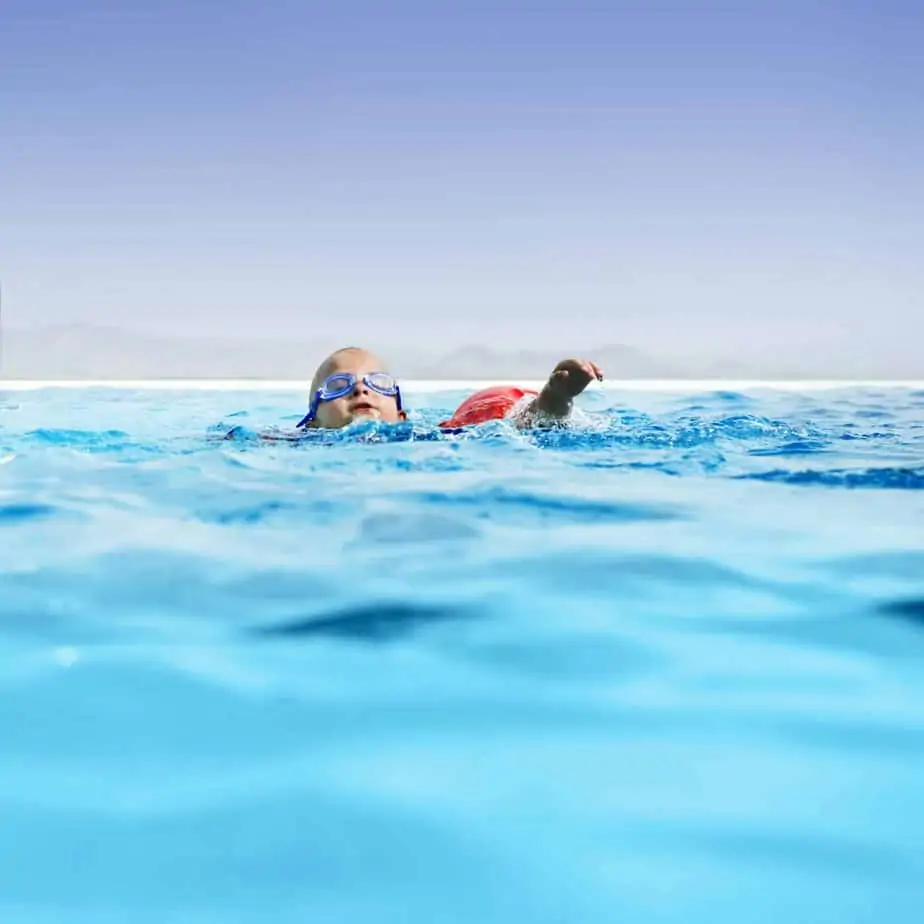
When a child takes a small amount of water into their airway — which can happen when they’re struggling to swim, get splashed in the face, go under for a moment, or swallow water the wrong way — their body reacts.
What people called “dry drowning”: The idea that water hitting the voice box causes the vocal cords to spasm and the airway to tighten, making breathing hard. If this happens, symptoms come on quickly — usually within seconds to an hour of getting out of the water, not the next day.
What people called “secondary drowning”: The idea that water reaching the lungs causes irritation and fluid buildup (a condition doctors call pulmonary edema) that makes breathing progressively harder over the hours that follow.
Here’s the key correction to the old scary version of this story: in real, documented cases, when a child has a genuine submersion injury, the symptoms are present and noticeable — usually right away or within the first few hours. There has never been a documented case of a child who was completely symptom-free and acting normally suddenly dying of a water-related cause days later. The danger has always been in missing or ignoring visible symptoms, not in a silent threat with no warning signs.
That distinction matters, because it tells you where to put your attention: not on anxiously watching a perfectly healthy, happily-playing child for three days, but on responding promptly if real symptoms appear.
The Symptoms That Actually Matter
After any scary moment in the water — a near-miss, a rescue, a bad cough after going under, swallowing a lot of water — keep a close eye on your child for the next several hours. These are the signs that warrant a call to your pediatrician or a trip to be seen:
- Persistent coughing that doesn’t settle
- Difficulty or labored breathing — fast breathing, flared nostrils, or you can see the muscles between their ribs pulling in with each breath
- Chest pain
- Shallow or strained breathing, or visibly working hard to breathe
- Gagging or vomiting
- Extreme tiredness, sleepiness, or lethargy beyond normal post- swim fatigue
- Changes in behavior — unusual irritability, confusion, or forgetfulness, which can signal a drop in oxygen
- Changes in awareness or responsiveness
- A bluish color to the lips or fingertips — this is an emergency
The single most useful guideline, supported by the American Academy of Pediatrics: if your child needed any kind of rescue or resuscitation in the water, have them evaluated afterward even if they seem okay. And if your child is having any real trouble breathing, or their lips look blue, call 911 immediately — don’t wait.
For everything milder, a call to your pediatrician is the right first step. You know your child best. If something feels off, trust that instinct — it’s almost always worth a phone call.
What to Do If You’re Worried After a Water Incident
If your child is showing any of the symptoms above, here’s how to think about it:
For mild symptoms (a lingering cough, a little extra tiredness after a real scare): call your pediatrician and describe exactly what happened and what you’re seeing. They’ll tell you whether to watch at home or come in. Many mild cases resolve on their own — but a phone call costs you nothing and buys peace of mind.
For worsening or moderate symptoms (breathing that’s getting harder, symptoms that aren’t improving): go to the nearest emergency room rather than waiting for a pediatrician appointment, because the ER has the equipment to properly assess breathing and oxygen levels. Call ahead if you can so they’re ready for you.
For severe symptoms (significant trouble breathing, blue lips, unresponsiveness): call 911. Don’t drive yourself if the situation is serious — let the paramedics begin care on the way.
At the hospital, evaluation typically involves listening to the lungs, checking oxygen saturation, and sometimes a chest X-ray. In more serious cases, a child may be given oxygen or admitted for observation. Most children who are seen and treated promptly do very well.
Knowing CPR Is the Real Superpower
If there’s one thing that actually saves lives in a water emergency, it’s a parent or caregiver who knows CPR. It matters far more than memorizing any list of symptoms.
Thrive Training offers an online CPR and AED course that lets you get certified at home in under an hour. I update my own CPR certification through Thrive Training every time it expires, because it’s one of those skills you hope you never need and are endlessly grateful to have if you do.
Use code Corinne10 for $10 off your registration.
It’s never a bad idea to know CPR — if not for your own kids, then for a family member, a friend, or a stranger who may need you one day.
Preventing Water Emergencies in the First Place
The very best protection isn’t symptom-spotting after the fact — it’s prevention. Drowning is one of the leading causes of death for young children, according to the CDC, and the overwhelming majority of incidents are preventable with a few consistent habits.
Follow these core water safety rules:
- Provide constant, close supervision. For young or weak swimmers, stay within arm’s reach — in the water or right at the edge. Most drownings happen quietly and fast, without splashing or yelling.
- Enroll kids in swimming lessons. If they’re already okay swimmers, a summer swim team gives them in-water instruction several times a week — we’ve seen huge gains with our own kids this way.
- Don’t allow kids into water deeper than they can confidently handle.
- Never let a child swim alone, and swim in areas with lifeguards whenever possible.
- Use approved flotation devices like life jackets and floaties for weak swimmers — though remember these are aids, not substitutes for supervision.
- Stay alert around all water, not just pools. Bathtubs, buckets, ponds, and even a couple of inches of water can be dangerous for little ones.
- Check that pool drain covers are properly installed wherever you swim.
I don’t want you to stress about “dry drowning” — it’s genuinely rare, and the silent-death version of the story isn’t real. But I do want you to watch your kids closely after any water scare, trust your gut if something seems off, and never hesitate to call your pediatrician. You know your child best.
Related: Recognize the 5 real signs of drowning — which look very different from what most people expect.
This article reflects current guidance from the American Academy of Pediatrics, Cleveland Clinic, Texas Children’s Hospital, and the CDC. It’s written to inform, not to replace medical advice. If you’re ever worried about your child after a water incident, call your pediatrician or seek emergency care — and when in doubt, always err toward being seen.
Frequently Asked Questions
Is “dry drowning” real?
“Dry drowning” isn’t a recognized medical diagnosis, and doctors no longer use the term. What it described — airway irritation or breathing trouble after taking in water — can be real, but it’s now simply considered part of drowning or a submersion injury. The important thing isn’t the label; it’s watching for breathing symptoms after a water scare and getting care if they appear.
Can my child drown in their sleep hours after swimming?
This is the fear behind most viral posts, and the reassuring truth is no — there are no documented cases of a child who was completely symptom-free and acting normally suddenly dying of a water-related cause hours or days later. Real submersion injuries produce noticeable symptoms, usually within the first hour and almost always within a few hours. Watch the symptoms, not the clock.
What symptoms should I watch for after a water scare?
Persistent coughing, difficulty or fast breathing, chest pain, extreme tiredness, vomiting, unusual irritability or confusion, and bluish lips or fingertips. Any of these after a water incident warrant a call to your pediatrician. Blue lips or real breathing trouble means call 911 right away.
How long should I watch my child after they swallow pool water?
Swallowing some pool water while playing is extremely common and almost never a concern. The watchfulness applies after a genuine scare — a near-miss, a rescue, or a hard episode of coughing and struggling after going under. In those cases, keep a close eye for the first several hours. If your child is breathing normally and acting like themselves, they’re okay.
When should I take my child to the ER versus calling the pediatrician?
Call your pediatrician for mild symptoms like a lingering cough or extra tiredness after a scare. Go straight to the ER for breathing that’s worsening or not improving. Call 911 for severe trouble breathing, blue lips, or unresponsiveness. When unsure, a phone call to your pediatrician is always a reasonable first step.
You Might Like…
- Lifesaving Water Safety & Pool Safety Rules Kids Need to Be Taught
- Know the 5 Signs of Drowning & How to Perform CPR on a Child
- 7 Critical Safety Rules Every Kid Needs to Know
- Safety Tips for Kids: Books to Reinforce Safety Rules
- Keep Your Kids Safe in Crowded Places
- Navigating Online Safety: Protecting Tweens and Teens
- How to Create a Positive Home (And Why This Will Affect Your Kids Forever)
Want even more?
Shop All Parenting Resources
Shop all of our parenting resources from self-regulation tools and managing big emotions to building self esteem and confidence. There are resources for all seasons of life!





Non-swimmers should Wear USGC (or appropriate agency for your country) flotation devices properly. Last week a girl at my pool had to be pulled out by the lifeguard because she forced under water by in improperly worn lifevest. She wore it down the slide and the impact forced it up and pushed her head under the water.
Yes! USGC approved is the only way to go. Our daughter’s plastic arm floaties slipped off her once when she was little and it was scary since she was several feet away from me. Great point, thanks for sharing.
With summer here and so many kids/families going to the beach/pool, it’s good that parents are aware of dry and secondary drowning symptoms.
If your child experiences dry drowning, never hesitate to bring them to an emergency room for immediate care. It’s good to assess any damage that may lead to future complications.
Thank you for sharing. This is important for parents to take note of. Will be sharing to increase awareness.
Thank you for this information. It is scary how many dangers there are in the world that we as parents are often unaware of or don’t know how to deal with. But I appreciate posts like this that inform others about serious situations and how to respond to them.